



5 Tips for an Itchy Beard
Whether you’ve just started growing a beard or you’ve been rocking one for a while, chances are you’ve experienced that all‑too‑familiar face itch.
Sometimes it’s barely noticeable. Other times, it’s enough to drive you mad – and it’s one of the most common reasons would‑be beardsmen throw in the towel. While scratching might feel good in the moment, constant itching usually makes things worse, leaving your skin irritated and inflamed.
The good news? An itchy beard is common – and fixable.
Causes of Beard Itch
New Beards
If you’re in the early stages of beard growth, itchy stubble is almost guaranteed.
When you shave, each hair is left with a sharp edge. As those hairs grow out, the stiff bristles rub against the skin and hair follicles, causing irritation and itchiness.
The key thing to remember: this stage is temporary. Push through – it does get better.
Fully Grown Beards
If you already have a full beard and it’s still itching, there are a few possible culprits:
- Beard acne
- Beard dandruff (aka beardruff)
- Ingrown hairs
But more often than not, the real issue is dry skin beneath the beard – especially when seasons change.
Facial hair naturally pulls moisture away from the skin. Add shifts in temperature or humidity, and skin can quickly become dry, flaky, and irritated. Dead skin cells that would normally be washed or exfoliated away also get trapped in the beard, leading to build‑up and itchiness.
Luckily, a solid grooming routine goes a long way.
How to Stop an Itchy Beard
1. Cleanse Properly
Regular cleansing removes dirt, oil, and debris that get trapped in your beard. Skip regular hair shampoo – it’s too harsh for facial skin and can strip natural oils.
Instead, use a premium beard wash or cleanser, designed for sensitive skin and facial hair.
2. Condition
If you’ve got a longer beard, conditioning is a must.
After cleansing, apply a beard conditioner and leave it in for a few minutes before rinsing. Look for natural ingredients like shea butter or aloe, which help soften hair and calm the skin underneath.
3. Dry Your Beard
This step is often overlooked – but it matters.
Leaving water in your beard can actually dry out both hair and skin, leading to irritation and itch. After washing, gently towel‑dry your beard to remove excess moisture.
4. Moisturise
Moisturising is one of the most effective ways to combat an itchy beard.
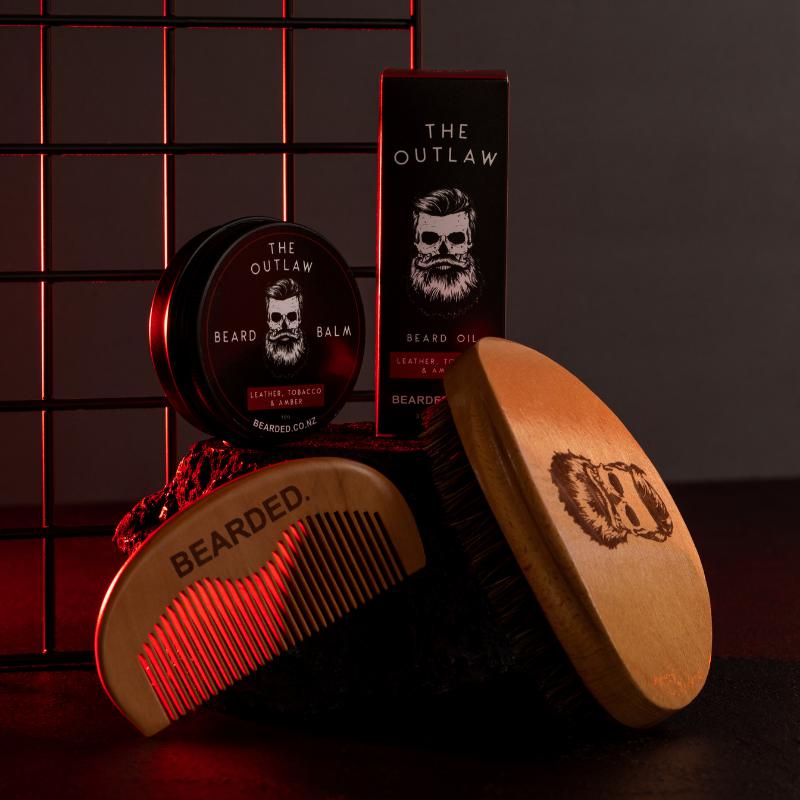
Apply a quality beard oil or beard balm daily to soften the hair and nourish the skin beneath. This helps reduce dryness, flaking, and irritation while keeping your beard looking healthy.
5. Brush Regularly
Brushing your beard does more than just make it look tidy.
Regular brushing:
- Trains hairs to grow in the same direction
- Helps prevent ingrown hairs
- Distributes natural oils evenly
- Removes dead skin cells
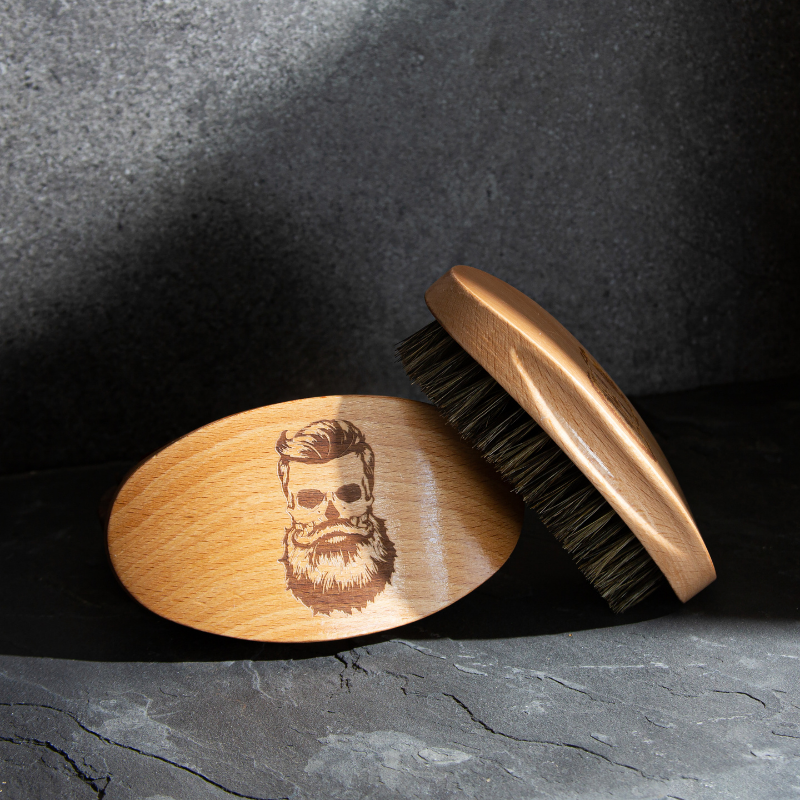
A boar‑bristle beard brush is a great addition to any daily grooming routine.
When to See a Professional
If itchiness persists despite good hygiene and grooming, it could be linked to an underlying skin condition. In that case, it’s worth having a chat with your GP or dermatologist.
Take it easy, and beard on.